Materials
UV Printing Material Compatibility
A material name alone cannot guarantee adhesion. The exact coating, finish, shape, and intended use matter.
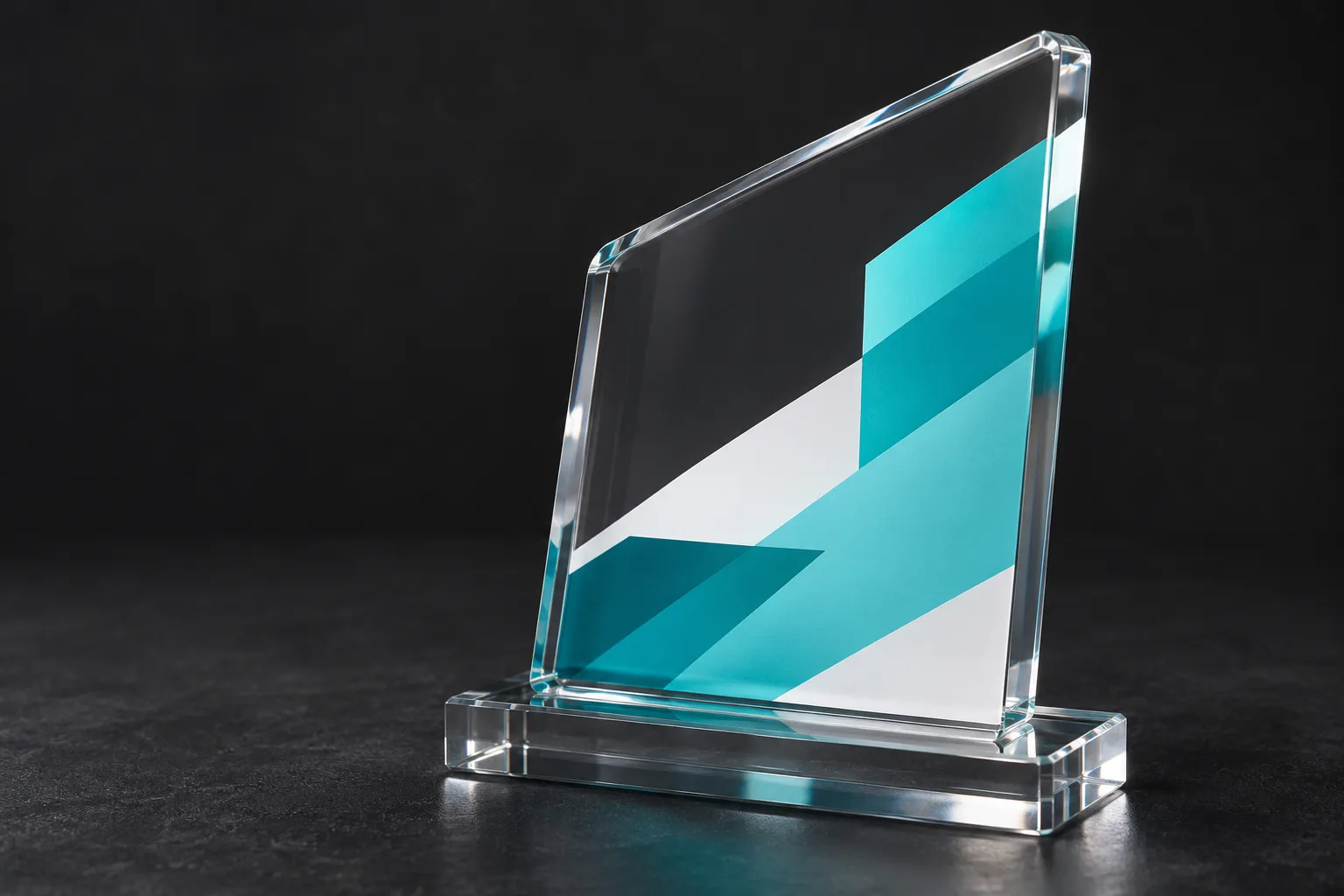
The material name is only the start
Two items called “metal” or “plastic” may present very different printing surfaces.
Surface
Coating, oil, texture and cleanliness
Geometry
Shape, height and usable print area
Use
Handling, washing, flex and exposure
For an unfamiliar blank or demanding use, ask about a representative test before a full run.
Check the actual blank
Wood, acrylic, glass, metal, ceramic, and leather goods are common candidates for UV decoration. A painted, coated, polished, flexible, or oily surface may behave differently from a plain sample of the same material.
When testing matters
If the product will be washed, handled frequently, used outdoors, or made from an unfamiliar finish, ask us to assess it before ordering in volume. Roland DGA describes adhesion testing on the actual material and notes that a primer may help in some cases; that general guidance does not establish a result for your blank.
- •For a coated tumbler, identify the coating and cleaning routine before assuming a method is suitable.
- •For a clear acrylic piece, decide whether artwork should be seen through the material or on its front face.
- •For a textured or curved object, confirm the reachable print area before finalizing small lettering.
What does a sample answer?
A representative sample can reveal whether the chosen finish and artwork look and adhere as expected. It cannot prove every use condition. Tell us if abrasion, washing, sunlight, or repeated flexing matters so the appropriate checks can be discussed.
What to send us
Share a product photo or link, material and coating information, dimensions, quantity, artwork, and expected use. This lets us discuss a realistic print area and whether a test is appropriate.
Further reading
Equipment and ink systems differ. These resources explain general UV printing principles; contact us to confirm a particular project.